Why Does My Tooth Hurt at Night? Common Causes and When to See a Dentist
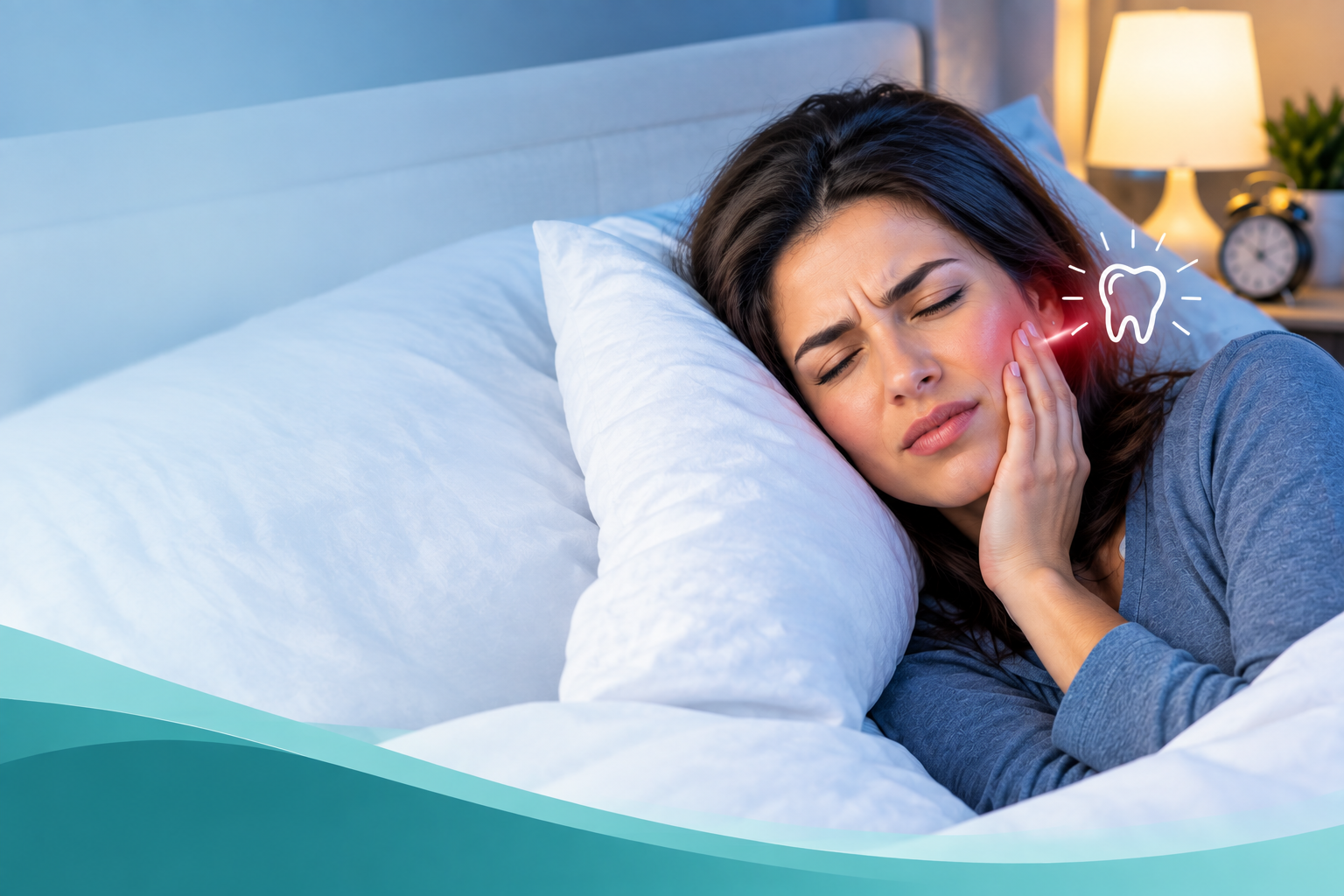
Have you ever gone to bed feeling fine, only to notice a dull ache or sharp tooth pain once everything becomes quiet? Tooth pain at night is common, but it should not be ignored, especially when it keeps waking you up or becomes stronger when you lie down.
A nighttime toothache can have several causes. It may be something relatively minor, such as temporary sensitivity, or it may point to tooth decay, a cracked tooth, gum problems, grinding, or an infection that needs dental treatment.
For patients searching for a dentist in Toronto, St. Clair West, or near Bathurst and St. Clair, understanding what may be behind nighttime tooth pain can help you decide what to do next.
At Arlington Dental, located at 798 St. Clair Avenue West in Toronto, the dental team provides comprehensive care, including fillings, crowns, root canal treatment, extractions, and family dentistry.
Why Does My Tooth Hurt More at Night?
There isn’t always one simple explanation for nighttime tooth pain. In many cases, an existing dental problem becomes more noticeable when you’re lying down and there are fewer daytime distractions.
For example, a tooth affected by decay or inflammation may already be causing discomfort during the day. Once you’re trying to sleep, however, that discomfort can become much harder to ignore.
Some of the most common reasons for tooth pain at night include:
- Tooth decay or a cavity
- Tooth sensitivity
- A cracked or damaged tooth
- An irritated or infected dental pulp
- Gum disease
- A dental abscess
- Teeth grinding or clenching
- A recently completed dental procedure
- Wisdom tooth problems
Let’s look at these causes in more detail.
1. Tooth Decay or a Cavity
One of the most common causes of tooth pain is dental decay.
A cavity develops when bacteria and acids gradually damage the tooth. In its earlier stages, decay may not cause noticeable symptoms. As it becomes deeper, however, you may experience sensitivity or pain.
You might notice discomfort when eating or drinking:
- Something cold
- Hot foods or drinks
- Sweet foods
- Very acidic foods
As decay progresses toward the inner part of the tooth, the pain can become more persistent.
A cavity does not necessarily mean you need a root canal. Depending on how advanced the decay is, your dentist may be able to treat the tooth with a filling. Arlington Dental provides dental fillings as part of its restorative dental services.
The important thing is not to wait until a small cavity becomes a much bigger problem.
2. Tooth Sensitivity
If your tooth hurts when you drink something cold or hot, sensitivity may be responsible.
Sensitivity can occur for several reasons, including weakened enamel, exposed tooth roots, gum recession, tooth damage, or certain dental procedures. Arlington Dental’s FAQ also notes that an exposed nerve, weakened enamel, or tooth damage can contribute to sensitivity.
Occasional sensitivity isn’t always an emergency. However, persistent or worsening sensitivity deserves a dental examination.
In particular, pay attention if the pain:
- Lasts after the hot or cold food is gone
- Happens without an obvious trigger
- Becomes more frequent
- Wakes you during the night
- Is accompanied by swelling or tenderness
These symptoms can suggest that something more than simple sensitivity is happening.
3. A Cracked or Damaged Tooth
A cracked tooth can cause surprisingly uncomfortable symptoms.
Some people notice a sharp pain when biting down, while others experience discomfort when releasing their bite. You may also notice sensitivity to hot or cold foods.
A crack isn’t always easy to see in the mirror, so you shouldn’t assume your tooth is healthy simply because you cannot see a visible line.
If a tooth has been weakened by decay, an old filling, trauma, or grinding, it may become more vulnerable to cracking.
Depending on the extent of the damage, treatment could involve a filling, crown, root canal treatment, or—in more severe cases—extraction.
4. An Irritated or Infected Tooth Nerve
Sometimes nighttime tooth pain is related to the pulp, the living tissue inside the tooth.
Deep decay, cracks, or trauma can irritate or infect this tissue. The result may be spontaneous pain that appears even when you’re not eating or drinking anything.
You might experience:
- Throbbing pain
- Severe sensitivity
- Pain that comes and goes
- Pain when biting
- Pain that becomes noticeable when lying down
- Difficulty sleeping because of the tooth
Arlington Dental’s root canal information specifically describes severe sensitivity, sharp pain when biting, and pain that can interfere with sleep as symptoms that may indicate the need for root canal treatment.
A dentist needs to examine the tooth to determine the actual cause. Not every toothache requires a root canal, but persistent spontaneous pain should not be ignored.
5. A Dental Abscess or Infection
A dental infection can cause significant pain and may sometimes become worse at night.
An abscess can develop when bacteria infect the inside of a tooth or surrounding tissues. Symptoms may include:
- Severe toothache
- Swelling around the tooth or face
- Tender gums
- A bad taste in the mouth
- Fever
- Pain when chewing
- Sensitivity to hot or cold
A dental infection needs professional attention. It will not reliably disappear simply because the pain temporarily improves.
If you have facial swelling, difficulty breathing or swallowing, or rapidly worsening symptoms, seek urgent medical attention.
6. Teeth Grinding or Clenching
Not every nighttime toothache is caused by infection or decay.
Some people grind or clench their teeth while sleeping without realizing it. This can put significant pressure on the teeth and jaw muscles.
You may wake up with:
- Aching teeth
- Jaw soreness
- A headache
- Tender facial muscles
- Increased tooth sensitivity
- Flattened or worn teeth
Stress can contribute to clenching and grinding, but there can be other factors as well.
Arlington Dental offers bruxism (grinding) appliances, which may be recommended when a dental examination indicates that a protective appliance could help.
If you regularly wake up with a sore jaw or unexplained tooth discomfort, mention it during your next dental appointment.
7. Gum Problems
Sometimes what feels like tooth pain is actually coming from the gums or tissues surrounding the tooth.
Gum disease can cause bleeding, tenderness, swelling, recession, and discomfort. In more advanced cases, teeth may become loose or painful.
Arlington Dental provides periodontal (gum) treatment as part of its dental services.
If your nighttime discomfort is accompanied by bleeding gums, persistent bad breath, swollen gums, or gum tenderness, it is worth having your mouth evaluated.
Why Does Tooth Pain Feel Worse When I Lie Down?
You may notice that your tooth doesn’t bother you as much during the day but becomes much more noticeable once you lie down.
Changes associated with lying down may contribute to increased pressure or awareness around an inflamed area. At the same time, nighttime is quiet, and there are fewer activities competing for your attention.
That can make an existing tooth problem feel much more intense.
However, nighttime pain isn’t a diagnosis by itself. The same symptom can occur with cavities, inflammation, cracked teeth, infections, sensitivity, or grinding.
That’s why an examination is important if the problem keeps happening.
What Can You Do for a Toothache at Night?
If you’re waiting for a dental appointment, there are a few general steps that may help you stay more comfortable:
Keep the area clean
Gently brush and floss around the painful tooth. Food trapped between teeth can sometimes make discomfort worse.
Avoid foods that trigger the pain
For the moment, avoid very hot, cold, sugary, hard, or sticky foods if they make your symptoms worse.
Rinse gently with warm salt water
A gentle warm salt-water rinse may help keep the mouth clean and soothe irritated tissues.
Consider an over-the-counter pain reliever
If you can safely take it, an appropriate over-the-counter pain medication may temporarily help manage dental pain. Follow the product’s directions and speak with a pharmacist or healthcare professional if you’re unsure whether it is appropriate for you.
Don’t put aspirin directly on your tooth or gums
This can irritate or damage the surrounding tissue.
Most importantly, don’t use temporary pain relief as a reason to postpone an examination when the pain continues.
When Should You See a Dentist for Nighttime Tooth Pain?
A single brief episode of sensitivity may not indicate a serious problem. But recurring or persistent nighttime tooth pain should be assessed by a dentist.
Make an appointment if:
- The pain keeps returning
- Your toothache wakes you from sleep
- Pain lasts after eating or drinking
- You have pain when biting
- Your tooth is extremely sensitive
- You notice swelling
- Your gums are swollen or bleeding
- You have a cracked or broken tooth
- You notice a bad taste or drainage
- Pain continues after a recent dental procedure
Arlington Dental notes that pain or sensitivity following dental treatment can occur for a few days, but persistent symptoms should be evaluated.
Is Nighttime Tooth Pain a Dental Emergency?
Not every toothache is an emergency, but some symptoms require prompt attention.
Seek urgent dental or medical care if tooth pain is accompanied by significant facial swelling, difficulty breathing or swallowing, fever, or rapidly worsening symptoms.
If you have severe pain but none of these emergency symptoms, contact a dental office as soon as possible rather than waiting for the problem to resolve on its own.
Arlington Dental welcomes new patients and emergencies and provides services including root canal treatment, tooth extraction, fillings, crowns, and other restorative care.
How a Dentist Finds the Cause of Your Tooth Pain
When you visit a Toronto dentist for nighttime tooth pain, the goal isn’t simply to treat the symptom. Your dentist needs to determine what’s causing it.
Your appointment may include:
- A discussion about when the pain started
- Questions about what triggers or relieves it
- Examination of the tooth and surrounding gums
- Testing the tooth’s sensitivity and response
- Checking your bite
- Dental X-rays when appropriate
Once the cause is identified, your dentist can explain the treatment options.
For example, a cavity may require a filling, while a badly damaged or infected tooth may need root canal treatment or another restorative approach. Arlington Dental offers both root canal therapy and crowns as part of its comprehensive services.
Don’t Let a Toothache Keep You Awake
A tooth that repeatedly hurts at night is your body’s way of telling you that something may need attention. It could be a cavity, sensitivity, grinding, a cracked tooth, gum disease, or an infection—and only a proper dental examination can determine the cause.
If you’re searching for a dentist in St. Clair West, Toronto, Arlington Dental is located at St. Clair Avenue West and provides general, family, restorative, and emergency dental care. The practice also offers early morning and evening appointments, with additional appointments available upon request.
If nighttime tooth pain is becoming a regular part of your routine, don’t simply keep reaching for pain relief and hoping it goes away. Schedule a dental assessment and find out what’s causing the pain.