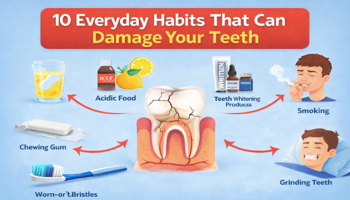
10 Everyday Habits That Can Damage Your Teeth
10 Everyday Habits That Can Damage Your Teeth
Most people try to take good care of their teeth by brushing and flossing regularly. However, many everyday habits can quietly damage your teeth without you even realizing it. Over time, these small habits can weaken enamel, irritate gums, and lead to problems such as cavities, sensitivity, or even tooth loss.
The truth is that oral health is influenced not only by how often you brush your teeth but also by the lifestyle choices you make throughout the day. Being aware of these habits can help you protect your smile and avoid unnecessary dental problems in the future.
At Arlington Dental, many patients are surprised to learn that some common daily routines may be affecting their oral health. Understanding these habits is the first step toward maintaining stronger and healthier teeth.
Brushing Your Teeth Too Hard
Brushing your teeth is one of the most important parts of maintaining good oral hygiene, but brushing too aggressively can actually do more harm than good. Some people believe that scrubbing harder will remove more plaque, but this can slowly wear down the protective enamel on your teeth.
When enamel becomes thinner, your teeth may become sensitive to hot or cold foods. Brushing too hard can also irritate your gums and cause them to recede over time, exposing the roots of your teeth and increasing the risk of decay.
Using a soft-bristled toothbrush and brushing gently in small circular motions is the best way to clean your teeth effectively while protecting your enamel and gums.
Biting Your Nails
Nail biting is a habit many people develop during childhood, and it often continues into adulthood without much thought. While it may seem harmless, biting your nails can put unnecessary pressure on your teeth and jaw.
Over time, this habit can cause small chips or cracks in your teeth. It may also affect your tooth alignment and place strain on your jaw joints. Another concern is that nails often carry bacteria, which can easily enter your mouth and increase the risk of infections.
Breaking the habit of nail biting can help protect both your oral health and overall well-being.
Chewing Ice
Chewing ice might feel refreshing, especially after finishing a cold drink, but it can be surprisingly damaging to your teeth. Ice is extremely hard, and biting down on it repeatedly can create tiny cracks in your enamel.
Although these cracks may not cause immediate pain, they can weaken your teeth over time, making them more likely to chip or break. Dental fillings or crowns can also become damaged from the pressure of chewing ice.
If you enjoy cold drinks, it is best to avoid chewing the ice and simply let it melt.
Using Your Teeth as Tools
Many people have used their teeth to open packages, tear tape, or hold objects when their hands are full. While it may seem convenient in the moment, this habit can cause serious damage to your teeth.
Teeth are designed for chewing food, not for opening bottles or tearing plastic. Using them as tools can result in chipped or cracked teeth, which may require dental treatment to repair.
Keeping scissors or other tools nearby can help you avoid the temptation to use your teeth in ways that could harm them.
Frequent Snacking on Sugary Foods
Sugary snacks are one of the main causes of tooth decay. When sugar remains on your teeth, the bacteria in your mouth feed on it and produce acids that slowly break down enamel.
Frequent snacking gives these bacteria more opportunities to produce acid throughout the day, increasing the risk of cavities. Sticky foods such as candies and caramel are especially harmful because they cling to the surfaces of your teeth.
Choosing healthier snacks such as fruits, vegetables, or nuts and drinking water after eating can help reduce the risk of tooth decay.
Drinking Too Many Acidic Beverages
Acidic drinks like soda, sports drinks, citrus juices, and energy drinks can gradually weaken the enamel on your teeth. Enamel is the protective outer layer of the tooth, and once it begins to wear away, it cannot regenerate.
Regular exposure to acidic drinks can lead to tooth sensitivity and increase the likelihood of cavities. Even beverages that are considered healthy, such as lemon water, can cause enamel erosion if consumed frequently.
Limiting acidic beverages and rinsing your mouth with water afterward can help protect your teeth from acid damage.
Skipping Your Nighttime Brushing Routine
After a long day, it can be tempting to skip brushing your teeth before going to bed. However, this habit can have a significant impact on your oral health.
Throughout the day, food particles and bacteria build up on your teeth. If they are not removed before bedtime, they remain on your teeth overnight. Since saliva production decreases while you sleep, bacteria can multiply more easily and increase the risk of plaque buildup and cavities.
Taking just a few minutes to brush and floss before bed can help keep your teeth and gums healthier.
Grinding or Clenching Your Teeth
Teeth grinding, also known as bruxism, is a habit that many people experience, often without realizing it. It commonly occurs during sleep or in stressful situations.
Grinding your teeth places intense pressure on them and can gradually wear down enamel. Over time, this may lead to flattened teeth, fractures, or increased sensitivity. Jaw pain and headaches are also common symptoms of teeth grinding.
Dentists often recommend wearing a custom night guard to protect your teeth if you grind them during sleep.
Smoking or Using Tobacco Products
Smoking and other tobacco products can have serious effects on oral health. In addition to staining teeth and causing bad breath, tobacco significantly increases the risk of gum disease and oral cancer.
Smoking also reduces blood flow to the gums, which makes it harder for your body to fight infections and heal properly. This can lead to gum recession and eventually tooth loss if left untreated.
Quitting tobacco not only improves oral health but also supports better overall health.
Ignoring Regular Dental Checkups
Even if your teeth feel fine, skipping regular dental checkups can allow small problems to develop into larger ones. Cavities and gum disease often begin without noticeable symptoms, which means they can progress without you realizing it.
Routine dental visits allow your dentist to detect early signs of dental issues and provide treatment before they become more serious. Professional cleanings also remove plaque and tartar buildup that cannot be removed with regular brushing alone.
Scheduling regular checkups helps maintain long-term oral health and keeps your smile in great condition.
Protect Your Smile with Healthy Habits
Your everyday habits have a powerful impact on the health of your teeth and gums. While some habits may seem harmless, they can slowly weaken enamel and increase the risk of dental problems over time.
Making small changes—such as brushing gently, limiting sugary snacks, and visiting your dentist regularly—can help keep your teeth strong and healthy. Developing better habits today can prevent many dental issues in the future.
If you would like professional guidance on maintaining a healthy smile, the team at Arlington Dental is here to help.
Book an appointment today to keep your teeth and gums in excellent condition for years to come.